



Madhuban kidney care is best for your medical satisifafaction. Yes satisfied from his treatment. They always gives you right suggestions Always take care of your health.
Tour health is there priority.
Book Appointment Today!
Best Kidney Hospital in Delhi Providing world class treatment
Madhuban Kidney Care understands the need for continuous co-ordination and collaboration between the best urologists and nephrologists in helping patients suffering from kidney problems. That is why we bring together all the best kidney specialists at a single place in Pitampura at our Hospital. Hence, we have all of the expertise, experience, and modern medical equipment and infrastructure needed to address complex renal or urinary issues. So, if you have kidney or bladder problems, immediately consult or reach out to the experts at Madhuban Kidney Care, and that’s it, we will take care of the rest.
We assist patients suffering from any kind of renal illness, condition or disorder. Our objective is to understand our patients’ requirements, treat them and give the best care possible.
100%
Expert Excellence
98%
Quality Driven Treatments
100%
Unparalleled Care

100%
Advanced Urology & Nephrology Care
98%
Patient-Focused Treatment & Recovery Support
Find Expert Care at Leading Urology & Nephrology Centre in Delhi
Visit Madhuban Kidney Care in Delhi for comprehensive urology and nephrology services. Our specialists provide personalised evaluation and treatment plans tailored to your condition.
We manage kidney failure, dialysis and transplant, prostate conditions, urinary disorders, kidney stones, and hypertension-related kidney damage. Our focus is early diagnosis, precise treatment, and long-term kidney health.
With expert guidance and advanced care, we aim to protect, restore, and strengthen your kidney function.
Our Expertise
Best Urology Hospital in Delhi NCR - MKC
Urology focuses on the functioning of the Urinary Tract which consists of many organs like the Kidney, liver, etc where all these organs work in harmony for the excretion of waste and urine. Once the harmony is disrupted it becomes the cause of many diseases like:
Different urological conditions consist of prostate problems, bladder control problems, stones in the part of the urinary tract, infections of the urinary tract, and Kidney stones.
Diseases Treated Under the Branch of urology:
- Kidney Transplant & Related Procedures
- Laparoscopic Urology ( incl. Donor Nephrectomy)
- Vascular Access for Hemodialysis
- Endo-urology (PCNL/miniperc, ureteroscopy, RIRS)
- Reconstructive Urology (Open and Laparoscopic)
- Uro-oncology
- Pediatric Urology
- Andrology
Diseases Treated by Urologists
- Prostate Cancer
- Bladder Cancer
- Bladder Prolapse
- Hematuria (Blood in the Urine)
- Erectile dysfunction (ED)
- Interstitial cystitis (Also called painful bladder Syndrome)
- Overactive Bladder
- Prostatitis (Swelling of the prostate gland)
Kidney Transplant Hospital in Delhi NCR
This loss of kidney function, known as end-stage chronic kidney disease [ CKD] or kidney failure, is the most common reason for needing a kidney transplant.
With dialysis ,it’s possible to partially replicate the functions of the kidney using a blood filtering procedure . However, this can be inconvenient and time-consuming, so a kidney transplant is the treatment of choice for kidney failure whenever possible.
Conditions Managed Under Kidney Transplant
- Diabetic Kidney Failure
- Congenital Kidney Disorders
- Chronic Kidney Disease
- Advanced Diabetic Nephropathy
- Polycystic Kidney Disease (PKD)
- Peritoneal Dialysis (CAPD)
- Rejected or Failed Previous Transplant
- End-Stage Kidney Disease (ESKD)
Advanced Robotic Surgery
Robotic surgery has many benefits. It is less invasive, which means it can be done with smaller incisions and less tissue damage. It also has better precision, which means it can be used for more complicated surgeries than traditional methods
Diseases Treated Under the Branch of urology:
- Prostate Cancer Surgery
- Kidney Tumor Removal
- Pelvic Organ Prolapse Repair
- Robotic Hernia Repair
- Gynecological Surgeries
- Pelvic Organ Prolapse Repair
- Minimally Invasive Urological & Abdominal Procedures
- Ureteral Reconstructive Surgeries
Best Nephrology Hospital in Delhi NCR
Nephrology is a term for studying kidneys in both kids and adults. Nephrology deals with the diagnosis and treatment of Kidney-related ailments. Kidney diseases are not just complications but disorders, i.e. they affect other organs too since they are not only confined to the organ itself.
Kidneys do more than just filter your blood. If they’re not working properly, you could have problems like diabetes, high blood pressure, or trouble with minerals in your body. Nephrologists are the experts who help deal with these issues and keep you healthy. The doctors who specialise in kidney and urology treatment are nephrologists.
Diseases Treated Under the Branch of Nephrology
- Hypertension
- Nephrotic Syndrome
- Chronic Kidney Disease
- Diabetic Kidney Disease
- Kidney Transplant
- Peritoneal Dialysis (CAPD)
- Hemodialysis
- Dialysis Related Complications
Providing Advanced Treatment for Kidney Diseases
We thrive to extend the best possible care by our urologist, nephrologist and transplant clinicians under one roof. We have firm belief that such a holistic approach will give us insight into the disease pathophysiology, providing tailor-made individualized treatment to improve the patient outcome and longevity.
- World-class experts
- Individualized approach to each patient
- Standardized treatment
- Continuum of care
Leading Urology & Nephrology Centre near you.
Advanced Kidney & Urology Care by Experienced Specialists in Delhi
Comprehensive treatment programs addressing kidney health, urinary disorders, and transplant care. Personalised medical plans designed to manage conditions effectively and support long-term wellness.
- Kidney Failure Treatment
- Dialysis & Transplant Care
- Prostate & Urinary Disorders
- Kidney Stone Management
-
Hypertension-Related
Kidney Care - Chronic Kidney Disease Management
What people say about medical health care
84%
Happy Patients
Best medical facilities and loving staff.
Thank you for the wonderful treatment. I truly admire both of you, Dr. Vikas Jain. Your brilliant treatment deserves immense thanks and appreciation. We humbly and wholeheartedly express our gratitude for your excellent care and comfort during the treatment.
Mr. Romen Moirangthem
Patient
My experience at the clinic was incredibly smooth and effortless. Dr. Vikas Jain, a highly qualified professional, addressed all our needs and played a crucial role in my mother’s treatment. Grateful to the clinic and Dr. Jain for their invaluable assistance.
Mr. Manav Jain
Patient
Excellent experience with MKC.
Dr. Vikas Jain is a wonderful kidney doctor. The doctors at MKC are very understanding. The staff of clinic is helpful and kind.
I am so glad that I chose MKC and would highly recommend it
– Ms. Ritu Tiwari
Patient
Dr Vikas Jain, an incredible Doctor good investigative mind to connect and indeed a good human being as well. I appreciate Dr Vikas Jain who took time to go over the diagnosis and treating my Aunt.
Highly Recommend MKC as a one stop medical treatment facility for Kidney and Urology related issues!!
Ajay Joshi
Patient
Dr. Vikash jain sir is very caring and soft spoken. He is a dedicated Doctor. He operated on me for kidney failure around three months ago. I am perfectly fine now. Our trust has been building up since then. The way he talks is half of the cure for your problem.
Abhay Kumar
Patient
Trustindex verifies that the original source of the review is Google. dr is very good in nature and their staff is also very good in nature and behaviour alsoTrustindex verifies that the original source of the review is Google. I was recently diagnosed with renal stones and took opinion from Dr. Vikas Jain, who is very professional and has a positive demeanour. He explained everything very well and the entire process of the admission, surgery, discharge and follow up went so seamlessly with the help of Dr. Vikas Jain and his while team. I would say that he would be my go to recommendation for all urology related problems. Thankyou sir and the entire team.Trustindex verifies that the original source of the review is Google. Very much satisfied by the treatment given by Dr Dr Vikas Jain.Very good ambience of the clinic.
Kidney Hospital in Delhi NCR - MKC
The World Health Organisation (WHO) projected that approximately 58 million individuals would pass away worldwide in 2005? Surprisingly, chronic illnesses accounted for 35 million of these deaths.
As per the New Global’s Kidney health report, more than 850 Million people worldwide are affected by Chronic kidney diseases worldwide
Chronic kidney disease (CKD) affects about 10% of Indians, and more than a lakh cases of kidney failure are reported each year and 31% of these cases are consequences of diabetes only
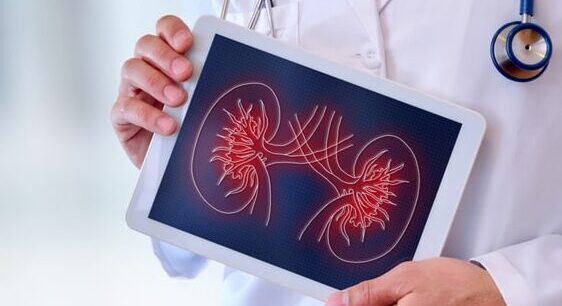
Chronic kidney disease (CKD) is a major health concern. But, don’t worry; there is hope. Several kidney hospitals in Delhi are able to handle these issues. The good news is that Delhi is home to the top kidney hospitals in the nation. Madhuban Kidney care is one of them with teams of top nephrologists and urologists who specialise in CKD issues These hospitals’ utilisation of modern technologies to treat complex kidney disease distinguishes them.
So, if you or someone you know is suffering from kidney difficulties, do not give up hope. Seek treatment at a reputable kidney hospital in Delhi. The doctors here are ready to fight beside you in your struggle against kidney disease, thanks to their expertise. Remember that early detection, diagnose and treatment will be able to heal it properly.
Why Madhuban Kidney Care [MKC] ?
At Madhuban Kidney Care (MKC), we are dedicated to providing world-class medical facilities using the latest technology to ensure that our patients receive the best kidney treatment in the country. Our highly qualified nephrologists and urologists are committed to providing healing and cure to our patients.
We intend to deliver urology and kidney care, as the best kidney hospital in Delhi. With modern medical technology, we ensure that our patients receive the most effective therapies.
With over 640 reviews and 5-star ratings, we are humbled by the acknowledgment for our dialysis and kidney treatment services. Our commitment to quality has resulted in over 2000 successful kidney transplants, saving and changing countless lives. Our Kidney Surgery Hospital in Delhi is perfectly equipped to take care of patients having kidney complications, CKD and nutrition deficiencies. We have specialist transplant clinics and dietitians under one roof.
Increasing our patients’ awareness of their circumstances allows us to plan treatment cycle and make decisions about their alternative options like surgeries or therapies.
Stories, Tips & Latest News
Mar 13, 2026
Kidney Transplantation: The Lifesaving Treatment too few Indians Receive
Every year in India, more than two lakh patients develop end-stage kidney failure and…
Mar 11, 2026
When to See a Nephrologist: Signs, Symptoms, and Kidney Care Tips
Learn when to see a nephrologist, early warning signs of kidney problems,…

Mar 06, 2026
Kidney Disease Treatment: Causes, Symptoms, Stages & Best Treatment Options
The kidneys play a vital role in maintaining human health. They filter…