
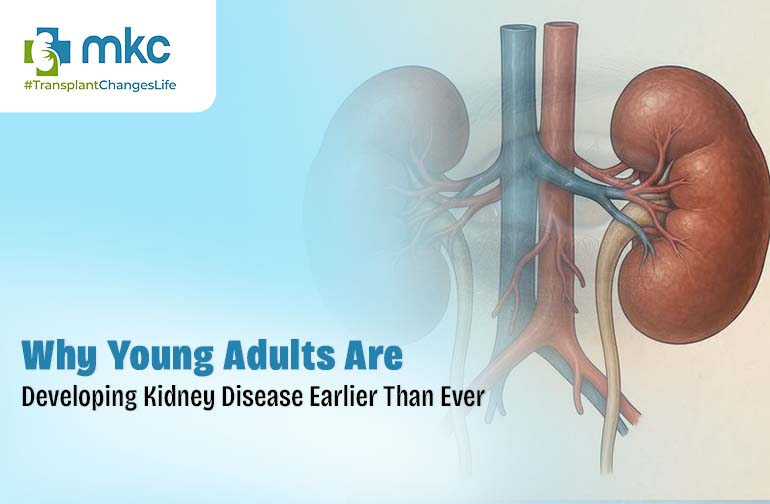
Kidney disease was something that was previously considered to affect older adults. But now doctors across India and elsewhere are reporting a surge of kidney disease among young adults — including many in their 20s, 30s and 40s. This trend is particularly alarming, as kidney disease can be silent in the early stage and symptoms may only develop after sign of irreversible damage.
But why is this happening? And what can young people do to safeguard their kidney health?
Emergence of Lifestyle Disorders in Young Age
But one of the leading factors is that kidney disease is showing up earlier because more young adults are developing other illnesses associated with it, based on lifestyle. Two of the most prevalent ones are diabetes and high blood pressure (hypertension) — which are both significant risk factors for kidney damage.
Diabetes at a Younger Age
Type 2 diabetes was once largely a disease of older adults. Fewer people young or old had high blood sugar today because of unhealthy diets, lack of exercise and excess weight. High blood sugar over time wrecks the small blood vessels in the kidneys, resolving them incapable of filtering blood well.
Hypertension in Early Adulthood
Another stealth menace is high blood pressure. Most young adults are unaware that they have HTN until the time of a routine check-up. A long-standing high blood pressure places added force on kidney filters and slowly damages them.
Unhealthy diet and inactive lifestyle
We live modern lives that are convenient in many ways but cause habits that stress the body in ways its kidneys do not appreciate.
Processed and High-Salt Foods
These chronically unhealthy choices in fast foods, prepackaged snacks and sugary drinks that are high in salt cause obesity, heart disease and the kidneys to work harder.
Sedentary Routine
Hours upon hours of sitting at desks and screens, accompanied by minimal physical activity, stifle metabolism and raise the likelihood of:
- Obesity
- Diabetes
- Hypertension
All of those are associated with early kidney damage.
Taking too many painkillers and other drugs
A lot of young people consume over-the-counter medicines, energy drinks, and other vitamins without thinking about how they may affect them in the long run.
Using non-steroidal anti-inflammatory medicines (NSAIDs) a lot, especially while you’re sick or dehydrated, might hurt your kidneys over time by lowering blood flow to them.
Even over-the-counter drugs might hurt your kidneys if you don’t utilize them properly.
Not getting enough water and having an imbalance of fluids
For healthy kidneys, it’s important to drink enough water. When people don’t drink enough water, their kidneys have to work harder to concentrate urine and get rid of waste. This happens more often when it’s hot, when they’re exercising, or when they’re traveling.
Young adults who are busy often forget to drink enough water, which raises the risk of:
- Stones in the kidneys
- Stress on the kidneys
- Long-term loss of function
Stress, Sleep Problems, and Hormonal Imbalance
Students and young professionals often have chronic stress and sleep problems. These things change hormone levels, blood pressure, and metabolic balance, which all have an indirect effect on kidney function.
Lack of sleep and stress can make things worse:
- Higher blood pressure
- High blood sugar
- Weak immunological response
- Long-term tiredness
Over time, these responses can make the kidneys more likely to get hurt.
Stressors in the environment and at work
For many young adults, living in a city means being around:
- Pollution in the air
- Chemicals in the workplace
- A lot of noise
- More stress
Research indicates that prolonged exposure to pollution and environmental contaminants may induce inflammation and oxidative stress in the kidneys, hence increasing their susceptibility.
Not getting regular health checks
Because early kidney illness doesn’t show any signs, regular screening is very important. But a lot of young individuals don’t have health check-ups every year unless they feel bad. Because of this, people often miss the first signals that their kidneys are not working as well.
Tests that are really important, like:
- Creatinine in serum
- Estimated glomerular filtration rate (eGFR)
- Test for protein in urine
- Checking blood sugar and blood pressure
can find problems long before they show up.
Why It Matters: Your health and quality of life in the long run
The kidneys filter waste, keep electrolytes in balance, control blood pressure, and help the body’s metabolism work smoothly. When kidney function goes down too soon, it might cause:
- Chronic kidney disease (CKD)
- Higher risk of heart disease
- Effects on fatigue and thinking
- Need for dialysis or a transplant later in life
Taking care of your kidneys early might help you avoid problems, keep an eye on them, and control them so that you can keep living well.
How to Protect Your Kidneys as a Young Adult
It’s really important to be aware and take steps to avoid problems. Here are some helpful activities that young adults can do:
Drink a lot of water.
- Every day, try to drink the same amount of water.
A diet that is balanced
- Choose whole grains, fresh fruits and vegetables, lean protein, and less salt.
Work out often
- Exercise helps you maintain your blood sugar, blood pressure, and weight in check.
Keep an eye on vital health numbers.
Get yearly checks that include:
- Blood pressure
- Blood sugar
- Tests to see how well the kidneys are working
Don’t take painkillers and other drugs that you don’t need.
Use pain medicine only when you need it and only after talking to a doctor.
Get enough sleep and deal with stress.
Important habits are important for your kidneys and your metabolism.
Finding it early makes all the difference.
Talk to a doctor if you often have any of the following symptoms:
- Tiredness
- Changes in how often you pee
- Face or feet swelling
- Blood pressure is high
- Urine that is foamy
Regular screening is one of the greatest methods to keep your kidneys safe, even if you don’t have any symptoms or they are mild.
Conclusion
It is worrying that kidney illness is becoming more common in younger people, but it is also something that can be stopped. Young adults can take actions to protect their kidneys by knowing what puts them at risk, such as their food, lifestyle, stress levels, and medication use.
If you have diabetes, high blood pressure, a lot of painkiller usage, or a family history of renal disease, you should see a professional as soon as possible.
📞 Phone: +91 78278 90989 / +91 78400 07989
📍 Location: ED 3A, Madhuban Chowk, Pitampura, New Delhi